

The future of work is changing faster than ever. Technology, remote work, automation, and shifting values are redefining how we work—and women are playing a central role in this transformation.
Women are not just adapting to the future of work. They are actively shaping it. From leadership and innovation to flexibility and inclusion, women’s participation will define what work looks like in the coming decades.
Why Women Are Central to the Future of Work
Future work is no longer about rigid structures or fixed roles.
It now values:
- Adaptability
- Emotional intelligence
- Collaboration
- Digital skills
- Purpose-driven work
These shifts align strongly with strengths many women bring to the workplace. As work becomes more human-centered, women’s contributions become even more critical.
Rise of Flexible and Hybrid Work Models
One of the biggest changes in the future of work is flexibility.
Women benefit from and drive:
- Remote work
- Hybrid roles
- Outcome-based performance
Flexible work allows more women to stay in the workforce, grow careers, and take leadership roles without choosing between personal and professional responsibilities.
Platforms like LinkedIn have also made it easier for women to build careers, networks, and visibility beyond physical offices.
Women and Digital Transformation
Technology is reshaping every industry—and women are increasingly part of this shift.
Key areas where women will play a growing role:
- Digital marketing and growth roles
- Data analysis and decision-making
- Product and UX design
- Tech-enabled entrepreneurship
- AI-supported business functions
The future of work needs both technical skills and human insight. Women bring both.
Growth of Women in Leadership and Decision-Making
Leadership in the future will look different.
It will focus on:
- Empathy over authority
- Collaboration over hierarchy
- Trust over control
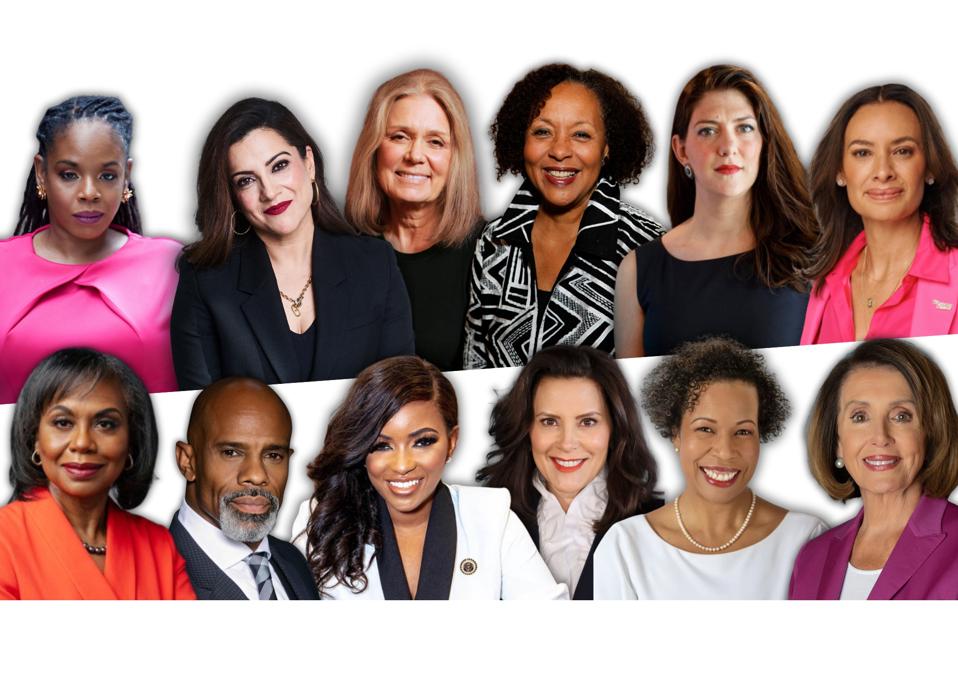
Women leaders are already demonstrating these qualities. As organizations move away from outdated leadership models, women are well-positioned to lead teams, companies, and communities.


4
Women and the Gig & Creator Economy
The future of work is not limited to traditional jobs.
Women are thriving in:
- Freelancing
- Consulting
- Content creation
- Online education
- Digital product businesses
This shift gives women more control over time, income, and career direction. The creator and gig economy rewards skills, not titles.
Importance of Lifelong Learning for Women
Jobs of the future will change frequently.
Women will need to focus on:
- Continuous skill development
- Digital and tech literacy
- Communication and leadership skills
- Financial and business knowledge
Online learning and flexible education models make it easier than ever for women to reskill and upskill at any stage of life.
Women Driving Inclusive and Ethical Work Cultures
Future workplaces will be judged not just by profit—but by values.
Women are leading change in:
- Diversity and inclusion
- Mental health awareness
- Work-life balance policies
- Ethical and sustainable business practices
Inclusive workplaces perform better. And women are often at the forefront of building them.
Role of Women in Innovation and Entrepreneurship
Women entrepreneurs are shaping future industries.
They are:
- Solving real-world problems
- Building purpose-driven startups
- Creating jobs and communities
- Innovating in education, health, and tech
As access to funding, networks, and digital tools improves, women-led innovation will grow significantly.
Challenges That Still Need Attention
While progress is real, challenges remain.
These include:
- Gender pay gaps
- Bias in promotions and leadership selection
- Unequal access to capital and opportunities
- Balancing unpaid care work
Addressing these challenges is essential for a truly inclusive future of work.
How Organizations Must Adapt
To support women in the future of work, organizations must:
- Offer flexible work options
- Invest in women’s skill development
- Promote based on performance, not presence
- Create safe and inclusive cultures
- Support career breaks and re-entry
The future workforce will reward inclusive employers.
How Women Can Prepare for the Future of Work
Women can take proactive steps by:
- Building digital and transferable skills
- Developing confidence and visibility
- Networking intentionally
- Seeking mentors and sponsors
- Embracing flexibility and new career paths
The future belongs to those who adapt early.
Final Thoughts
The role of women in the future of work is not secondary—it is foundational. As work becomes more flexible, digital, and purpose-driven, women’s skills, perspectives, and leadership will shape how organizations succeed.
The future of work is not just changing how we work.
It’s changing who gets to lead.
Leave a Reply